I’m going to depart from my usual focus on onboarding this week to focus on the current threat to science in the U.S. Some of you know my background: I’ve led three science-focused professional organizations, including the National Science Teaching Association and now the American Physiological Society. Before that, I spent years in science communication and public engagement. I’m a scientist by training, and my entire career has been built around science.
Science is losing ground, and it’s losing it in two places at once: in classrooms and in federal budgets.
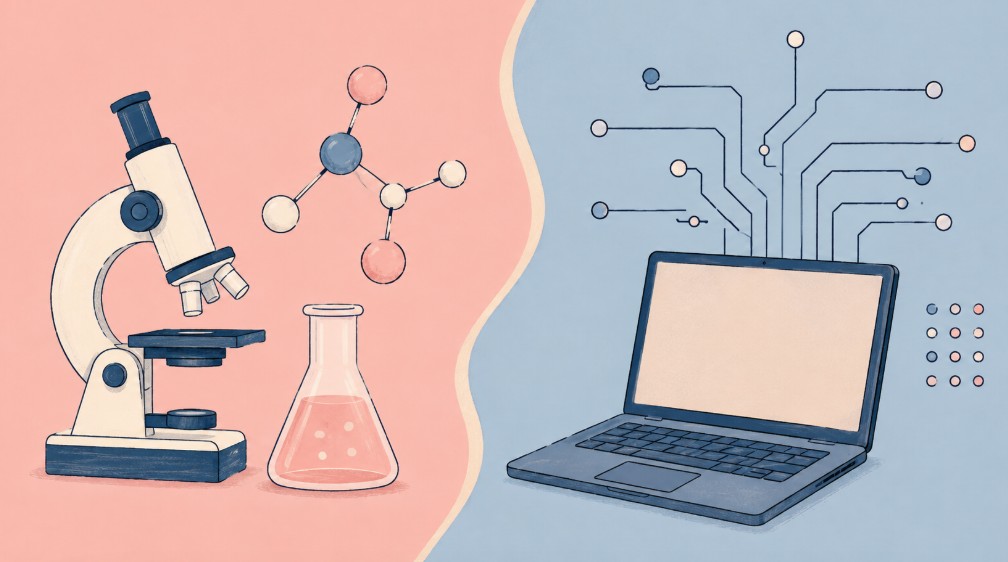
Start with the classroom. STEM is talked about as if it were a monolith, four letters that move together. They don’t. In K-12 education, math has historically gotten the most instructional attention, with science treated as secondary. That balance is shifting. Technology is claiming a larger share, driven in part by heavy investment from tech companies, which has driven a movement to make computer science a required course in more schools. I think that investment is worth having. However, because it is happening inside a fixed pie (the hours of instruction in a school day), when one subject grows, another one shrinks. Right now, science is the one shrinking.
The same dynamic is playing out at the federal level. In July, the White House released a plan that proposes to redirect billions of dollars in annual federal research funding away from university-based grants and toward AI-driven discovery and individual researchers. Some of that money will still support science. But the direction of travel is unmistakable: basic and biomedical research is losing ground to technology and AI investment, even as overall funding levels hold steady on paper.
My argument isn’t against investing in AI or technology. It’s an argument for understanding that technology and science are not the same activity and that we need both. Technology solves engineering problems. It builds tools. Science discovers what we don’t yet know. You cannot solve your way to a discovery you haven’t made yet, and a lot of the technology being funded right now depends on science that was funded decades ago.
When we lose the S in STEM, quietly and by increments, we’re not just losing a subject. We’re losing the pipeline that feeds the next generation of discoveries technology will eventually need. That’s a long-term cost, and it won’t show up on a budget line this year or next. It will show up in twenty years, when the well runs dry, and nobody remembers why.
This is why I advocate for my basic science research and why I have dedicated my career to connecting science with society.




Leave a comment