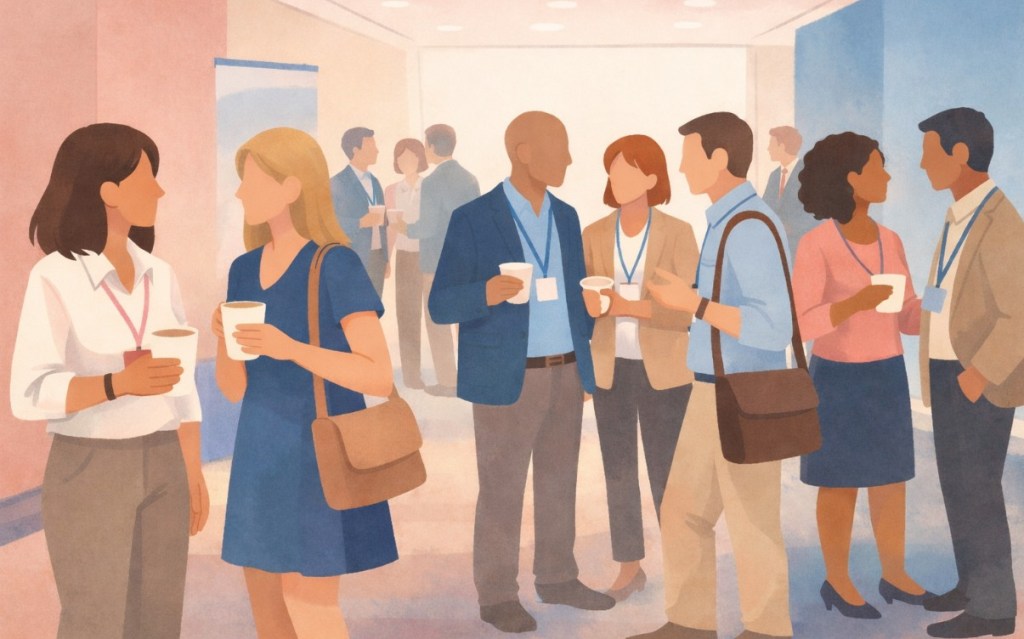
Peer support is absolutely necessary when you are an association CEO. The job can be very lonely because you have no peers inside your organization. You are accountable to a board, responsible for the staff, and expected to make hard decisions with calm. That is exactly why a strong peer community matters. I just got back from the annual CEO meeting of the Council of Engineering and Scientific Society Executives (CESSE), and I always return with new ideas, more energy, and a stronger sense of connection. It is a room full of people who understand the work because they are also in the trenches. The friends I have made through CESSE help to support me through the year. I can reach out for a coffee when I need to talk through something sensitive. I can also use the private listserv the group maintains when I need fast, practical input. No question is too basic. No question is too complicated. People respond, share examples, and help you move forward.
I have been fortunate to find this kind of support at other points in my career as well. In the museum community, I had it through the Noyce Leadership Fellowship. I still connect with those peers today. They have moved into many different roles, but the trust is still there, and they still help me think more creatively about engaging a community and leading through complexity. Finding your peer groups can take intention, but it is easier than it used to be. Start with your own association ecosystem, because all fields have groups and it is a great way to connect. Look locally for CEO breakfasts and regional listservs. Build laterally through consulting communities and professional networks. Even LinkedIn can work if you work purposefully to deepen connections. Pick a few people you respect, invite one conversation, and offer something back early. Over time, you are not just building a network. You are building a set of advisors who are there for you, and that is one of the most practical forms of leadership support you can create.


Leave a comment