Being a CEO is very isolating. You have no peers within your organization. While you can be friendly with your staff, it is difficult to be friends. This isolation can be unexpected for new CEOs. The calendar fills, the inbox swells, and yet the circle of people you can speak with plainly can shrink. Before you sit in the chair, you need to establish a support system that covers both your life and your work.
Fill your support grid
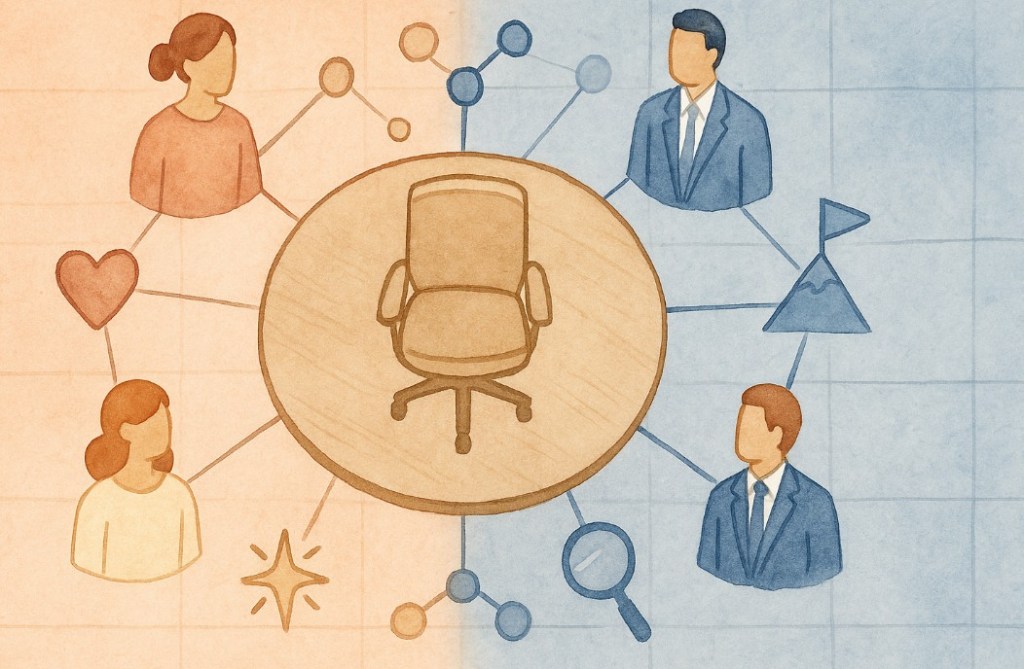
You need to think about both your personal and professional life. A partner or spouse alone cannot carry the load, and neither can a coach or peer CEO group. You want to identify people in both the professional and personal lanes.
In each lane you have four roles to fill. Here is how they play out for a CEO in transition:
- Comfort
People who steady you when the day goes sideways. A friend who listens without fixing. A board chair who knows when to say, “I’ve got your back.” - Challenge
People who push your thinking and call the bluff. A mentor who asks for the downside case. A CFO peer who will say, “The margin math does not work.” - Celebrate
People who remind you of progress you already made. A colleague who marks a milestone you might rush past. A partner who insists on dinner after a hard win. - Clarify
People who help you see the signal. A former CEO who can spot patterns in board dynamics. A strategist who helps you sort priorities into a one-page plan.
Now, make a simple 2×4 map. List names for each role in both lanes.
- Empty boxes show your risk.
- One person in every box is a start. Two is better.
- No single person should sit in more than two boxes.
Where to find your supporters
- Personal: partner, close friends, a faith or community circle, a therapist.
- Professional: a coach, peer CEO forum, a trusted former board member, a small bench of operators outside your org (finance, people, product), and one truth-telling staff leader who understands boundaries.
Guardrails that protect you
- Set privacy rules with each person. Say what is shareable and what is not.
- With staff, keep topics to work and your expectations. Do not vent down the org chart.
- With the board, use the chair for governance and air cover, not therapy.
- With friends and family, ask for what you need: a walk, a meal, a laugh.
Signs your system works
- You sleep better.
- Your plan gets clearer, not louder.
- You feel challenged without feeling attacked.
- You do not replay the same fear with five different people.
If you are already in the chair start filling your grid. Fill one empty box this week. And make sure that you are getting the support you need.
For more on the topic of support during transitions, you can read my earlier post Keeping Your Battery Charged.


Leave a comment