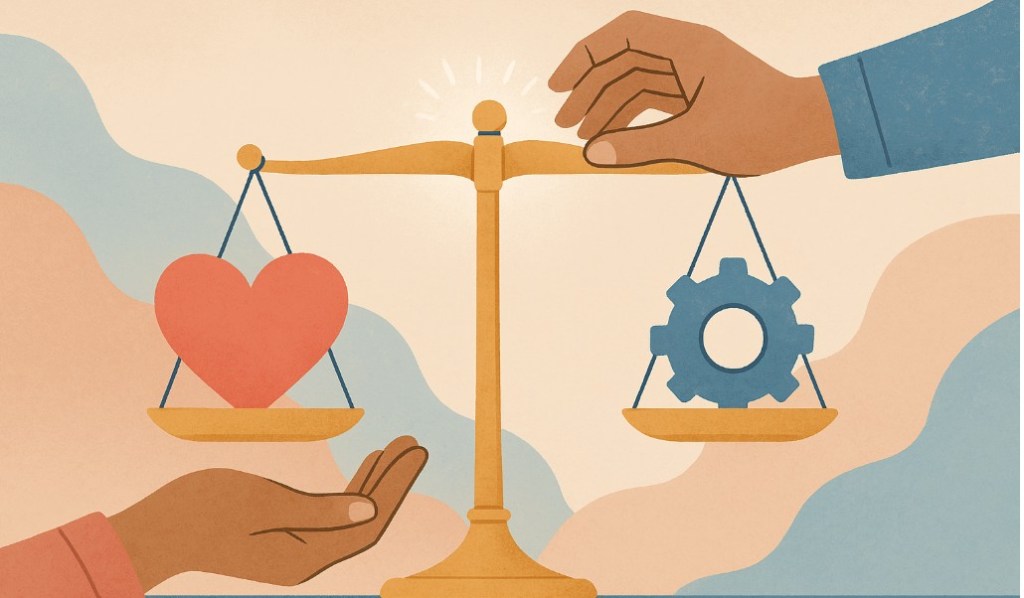
Last week I wrote about building relationships with your board. This week, let’s turn to the staff.
When you come on board as a new nonprofit CEO, you face a dual challenge: learning the culture while assessing the team’s capabilities and structure. These goals can feel at odds. How can you build trust while also evaluating performance and alignment? The key is to approach both with intention and transparency.
1. Learn the culture and signal openness
Culture is the engine of execution. Even the best strategies fall flat if the internal culture resists change. Spend your first few weeks observing how people make decisions, communicate, and solve problems. Watch where information flows and where it gets stuck.
Ask for feedback, especially from your direct reports, about how your integration is going. This isn’t just about being liked; it’s about understanding what behaviors and norms drive (or hinder) success. Staff are watching closely to see what kind of leader you’ll be. By signaling curiosity and humility, you set a tone of openness that builds engagement and trust from the start.
2. Assess the skill base
Building trust doesn’t mean avoiding assessment. In fact, a rigorous and respectful evaluation of your team’s skills shows that you take their work and the organization’s mission seriously.
Start by understanding the team as a whole. What collective strengths propel your mission forward? Where are the gaps in expertise, experience, or leadership? Remember, what’s written on the org chart rarely tells the full story. Often, the most accurate picture of your organization comes from understanding the informal networks and quiet contributors who make things work day-to-day.
Assessing the skill base is more than an HR exercise; it’s part of your responsibility as a leader and steward of the mission. You need to know whether people, who are an organization’s greatest resource, are aligned with strategic priorities.
3. Determine whether to fill gaps or restructure
Once you understand both culture and capability, you can start to see whether your structure supports or constrains your goals. Integration and evaluation are two sides of the same coin. You can respect what exists while still asking hard questions about what’s needed for the future.
Look first for opportunities to strengthen collaboration or clarify roles before making major changes. Sometimes small adjustments in workflow or communication can make a big difference. Other times, the mission may demand a deeper restructuring. The key is to balance stewardship with trust-building. When you make changes, make them with care, communication, and a clear rationale.
When done thoughtfully, this process doesn’t erode trust; it reinforces it. Staff see that you are learning, listening, and leading with purpose. And that’s the foundation for lasting success.




Leave a comment