I’ve been doing crosswords as a way to unwind since grad school. Back then, I wasn’t very good at them. I’d constantly need to look things up: authors I hadn’t read, political leaders I couldn’t place, historical events I vaguely remembered from a high school textbook. There were so many clues that depended on knowledge I didn’t have—Hockey legend Bobby?
Now, decades later, crosswords are easier because I’ve accumulated knowledge. References to movies from the 1990s or Cabinet Members from the Clinotn Adminstration? I got it because I lived through it. Canadian Hockey star Bobby Orr? Of course. He shows up all the time. At this point, I’ve internalized enough patterns, references, and historical context that many clues feel familiar.
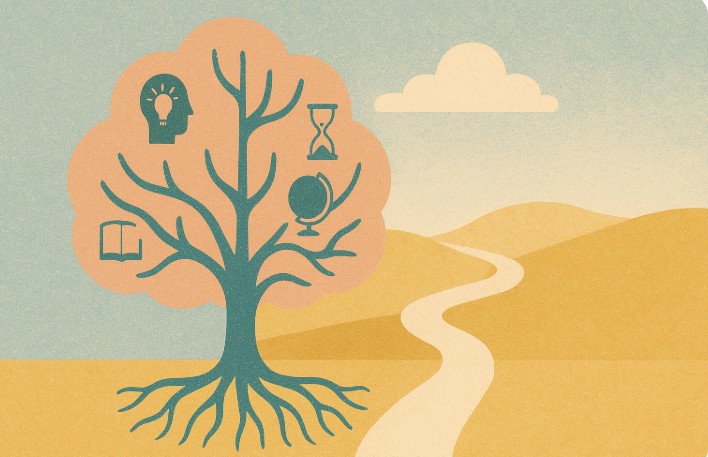
This is crystallized intelligence: the ability to use knowledge gained in the past. It’s the part of our cognition that doesn’t decline with age—in fact, it can grow stronger. Unlike fluid intelligence, which is about speed, problem-solving, and innovation, crystallized intelligence is about drawing on your deep well of experience. It’s the essence of wisdom.
And it plays a powerful role in how we navigate career transitions.
Early in your career, you are often hired and promoted for your creativity and your capacity to solve new problems in novel ways. You are generating ideas, disrupting systems, experimenting. This is why many tech leaders found companies in their 20s and nobel laureates often make their greatest discoveries early in their careers. But as you progress in your career and in age, your fluid intelligence slows. To continue to succeed you need to lean on your wisdom. This may require a shift in roles and perspective.
That shift doesn’t come with clear guidance.
As we seek opportunties at a more advanced age, it’s worth asking: What roles actually value and leverage crystallized intelligence? Not every job or team does. Some continue to prioritize disruption over discernment. Some are structured to reward novelty over nuance.
So as you consider the arc of your career, whether you’re looking for your next professional chapter or simply reevaluating how you want to show up in your current one, take stock at what you type of intelligence you are best able to use. You may move from a creator to a leader, from an innovator to a teacher. You may see insights that are not apparent to your colleagues. By being aware of how age can change your strengths, you can design a satifying career at all life stages.
For more on this topic, check out this article from the Atlantic: Your Professional Decline Is Coming (Much) Sooner Than You Think: Here’s how to make the most of it. (subscription necessary)




Leave a comment