For those working in the nonprofit and federal sectors, purpose is often deeply tied to the mission of their organization. But what happens when external forces—funding cuts, political shifts, or unexpected layoffs—disrupt your career path? Or when you realize that your personal motivations don’t fully align with your employer’s mission? This is where the concept of ikigai can provide clarity and direction.
Ikigai is a Japanese term that translates to “reason for being.” It represents the intersection of what you love, what you’re good at, what the world needs, and what you can be paid for. More than just a career choice, ikigai is about shaping a fulfilling, sustainable life—one where your work aligns with your deeper purpose, even in times of transition.
The Four Elements of Ikigai
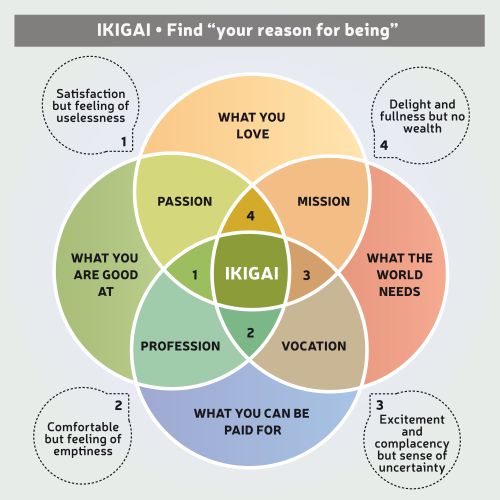
As you navigate career shifts, whether planned or unexpected, consider these four essential questions:
- What do you love? – The work that excites and energizes you, independent of any employer or specific role.
- What are you good at? – Your skills and strengths that have been honed over time.
- What does the world need? – The issues or challenges in your community that you feel most compelled to address.
- What can you be paid for? – The careers that align with your expertise and financial needs.
In times of change, understanding your ikigai helps you separate who you are from where you work and opens up new pathways that may not have been visible before.
Why Ikigai Matters in Career Transitions
It’s easy to conflate the mission of your organization with your personal calling. But when you step back, you may find that your passion lies in a specific type of work rather than the organization itself. Maybe you thrive at problem-solving, relationship-building, or strategic thinking—skills that can be applied across sectors. Or your perspective on what the world needs has shifted over time so you may want to move into a new field.
For those navigating unexpected transitions, this can be especially powerful. Instead of viewing a job loss as the end of a mission, you can see it as an opportunity to redefine your impact and find an even better alignment between your strengths and values.
How to Find Your Ikigai During Transition
If you’re questioning what comes next, start by reflecting on the four elements of ikigai. Ask yourself:
- What aspects of my work give me energy, regardless of the organization I’m in?
- What skills and experiences do I want to carry forward?
- What issues or challenges do I feel personally called to address?
- Where can I make the greatest impact while also sustaining myself financially?
Rather than rushing into the next opportunity, use this transition period to refine your sense of purpose. Look beyond job titles and organizations—your ikigai exists outside of them.
Taking the Next Step
Finding your ikigai isn’t about making a single leap—it’s about integrating purpose into your daily life and career decisions. Whether you’re seeking a new leadership role, shifting sectors, or launching something of your own, your journey is uniquely yours.
To support you in this process, join the first live session of the She Leads with Purpose course on March 11 and start uncovering what truly drives you. Sign up now to explore how to align your work with your purpose and build a career that sustains both your passion and livelihood.
Register for the live events: Sign up today!
Can’t make the live event? View my video on Ikigai.
Subscribe today and take the next step toward a more fulfilling career.